


Fence Panel Security - Your First Line of Defence
When safeguarding your home and garden, robust fencing is often the first barrier an intruder meets. A well-designed, properly installed fence panel not only deters unwelcome access but delivers peace of mind that your property is protected from the outside world.
What Makes a Fence Panel Truly Secure?
A fence panel that performs for security needs to be:
Strong & durable – High quality timber and heavy-duty construction resist impact, tampering or forced removal.
Difficult to climb or breach – A taller height and a design free from footholds or horizontal rails on the exterior side make intrusion harder.
Built with fixings that cannot be easily removed – A secure connection between panel and post is vital.
Key Features to Look For
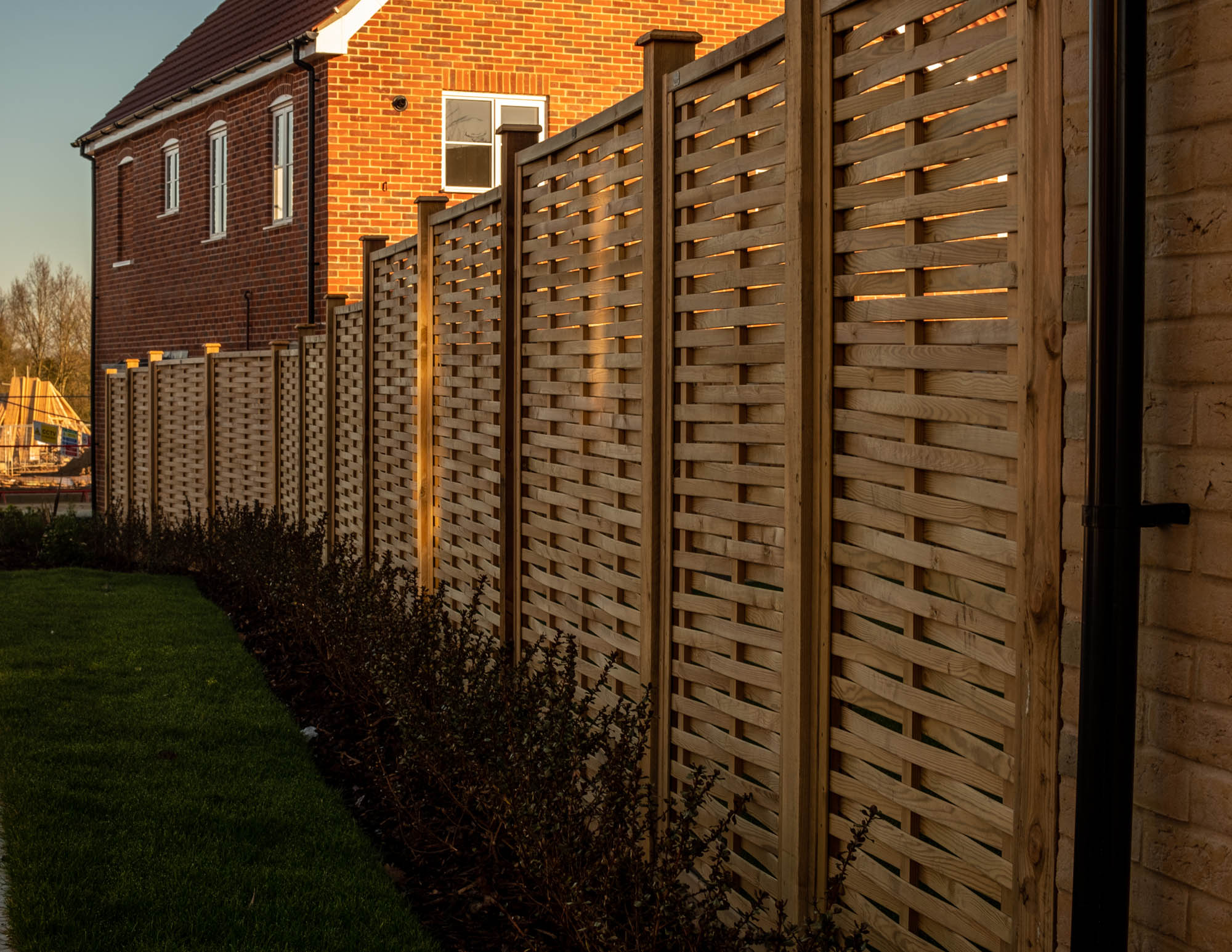
Solid construction – Choose panels made from quality timber with robust fixings rather than flimsy materials.
Suitable height – For most domestic gardens the maximum fence height without planning permission is usually about 2 metres, which already provides a significant deterrent.
Security-conscious design – Look out for panels with vertical boards (which eliminate horizontal climbing rails) or combi-panels where the top trellis is angled outwards to prevent access.
Attaching Panels to Posts – Why the Fixing Matters
Panel-to-post connections are often overlooked, yet they’re critical for security:
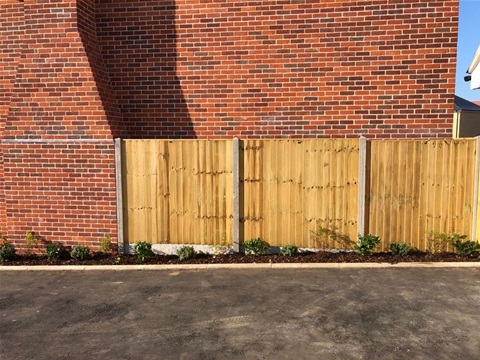
Timber or metal posts: These allow you to fix the panel securely using stainless steel screws, making the panel much harder to remove.
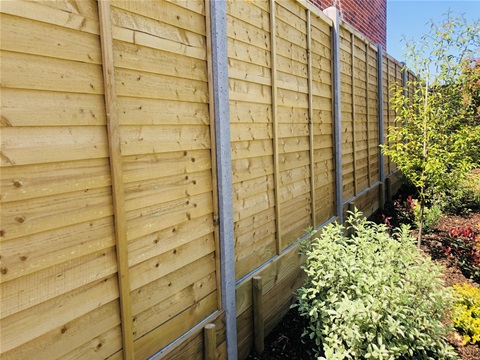
Concrete posts: While commonly used and often seen as long-lasting, standard slotted concrete posts allow panels to slide or be lifted out unless they’re mechanically fixed — and that can lead to weak points or cracking over time.
For best results, timber post systems offer adaptability, aesthetic appeal and strong secure fixings.
Extending Garden Security Beyond the Fencing
A strong fence forms the backbone of your garden security—but it doesn’t stop there:
Lockable gates – A robust gate with a secure lock or latch adds a vital secondary barrier. Use anti-lift hinges if possible.
Lighting – Motion-activated or solar lights reduce dark areas where intruders might hide.
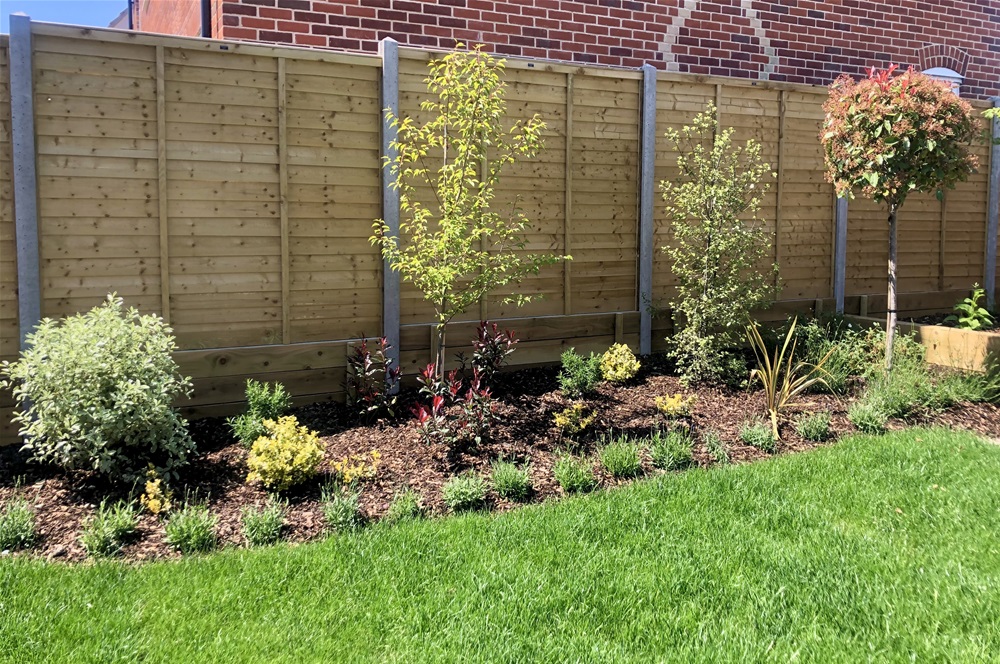
Defensive planting – Thorny shrubs or dense hedging along your fence line make access more difficult.
Gravel paths – The sound of footsteps on gravel serves as an alert system in itself.
Visible camera systems – A visible CCTV or smart doorbell camera acts as a proven deterrent and provides monitoring.
Improving the Security of an Existing Fence
Already have fencing in place? You can boost its security with relatively simple upgrades:
Reinforce fixings – Inspect for any loose or corroded screws and replace them with stainless steel fixings.
Add height without major works – Installing a trellis panel on top of the fence adds height (and deterrence) without needing planning permission.
Install anti-climb measures – Consider rotating spikes, specialised toppers or plant prickly species along the fence line.
Regular maintenance – Ensure your fence remains strong by inspecting it regularly, repairing damage promptly, and replacing any decayed components.
Conclusion - A Long-Term Security Investment
Choosing high-quality, pressure-treated fence panels and matching posts is about more than just looks—it’s about ongoing protection. A well-constructed fence can serve you for decades, not just months. With correct design, installation and upkeep, your fence becomes far more than just a boundary—it becomes a vital element in keeping your property safe and secure.
If you’d like to explore options for secure fence panels suitable for your garden, or discuss matching fencing with your property’s style, get in touch and we’ll be happy to advise.

